
The fight against Alzheimer's disease, a leading cause of dementia affecting millions globally, has witnessed significant advancements, yet crucial questions remain. While billions have been invested in research over decades, recent breakthroughs offer a glimmer of hope. The development of two new drugs, donanemab (Eli Lilly) and lecanemab (Biogen and Eisai), marks a turning point. These treatments, although modestly effective and primarily beneficial in early-stage patients, demonstrably slow disease progression. However, their high cost and potential serious side effects, including potentially fatal brain hemorrhages, have sparked intense debate regarding their cost-effectiveness and risk-benefit ratio. National health regulators worldwide are grappling with these complexities, resulting in varied approval and reimbursement policies. While the United States has approved lecanemab (Leqembi), countries like France and the UK have expressed reservations due to the drugs' high cost relative to their observed efficacy.
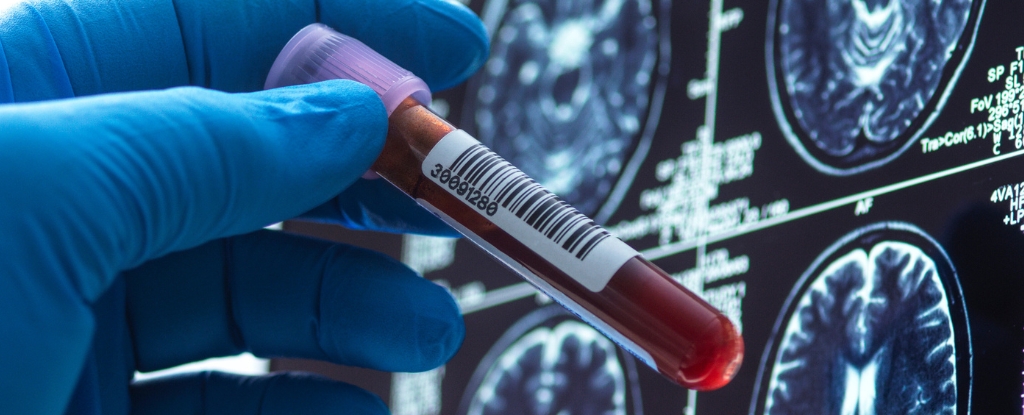
Another significant development is the emergence of a novel blood test for Alzheimer's diagnosis. This non-invasive test, detecting disease biomarkers, has been approved in the US, streamlining diagnosis and potentially identifying at-risk individuals earlier. However, European regulatory bodies remain more cautious, with some advocating for the continued use of lumbar punctures in conjunction with clinical assessments. This disparity in diagnostic approaches highlights a broader transatlantic divergence in Alzheimer's management strategies. The efficacy of relying solely on biomarkers for diagnosis is still under debate, with some experts emphasizing the importance of comprehensive clinical examinations to accurately assess cognitive and functional decline. The potential for false positives – individuals with abnormal biomarkers who never develop dementia – remains a concern.
The relationship between early diagnosis and the effectiveness of new drugs is crucial. Proponents of the new treatments argue that early detection, enabled by blood tests, will maximize the benefits of intervention. However, addressing modifiable risk factors, such as obesity, smoking, excessive alcohol consumption, physical inactivity, and hearing loss – which contribute to almost half of Alzheimer's cases – remains a critical area of focus. While research exploring lifestyle interventions is ongoing, randomized controlled trials have yielded limited evidence of their impact on cognitive decline. A recent JAMA study revealed only modest improvements in cognitive decline after two years of intensive lifestyle support. Although the progress may seem incremental, experts acknowledge that it represents a significant step forward compared to previous years, emphasizing that long-term studies spanning 10 to 15 years are essential to fully evaluate the impact of such interventions on a disease with a prolonged development timeline. The ongoing research and development in this field are crucial to ultimately achieving a cure for Alzheimer's disease and improving the lives of millions affected by this devastating illness.
---
Originally published at: https://www.sciencealert.com/world-alzheimers-day-heres-how-far-weve-come-in-search-of-a-cure


