
A critical delay has impacted the delivery of vital supplies to the International Space Station (ISS). Northrop Grumman's Cygnus XL spacecraft, carrying a record-breaking 11,000 pounds of cargo, experienced a malfunction in its main engine. The problem emerged early Tuesday during orbital maneuvers intended to align the spacecraft with the ISS for a Wednesday docking. While NASA has confirmed that all other systems aboard the Cygnus XL are functioning correctly, the unscheduled engine shutdown has necessitated a review of arrival plans.
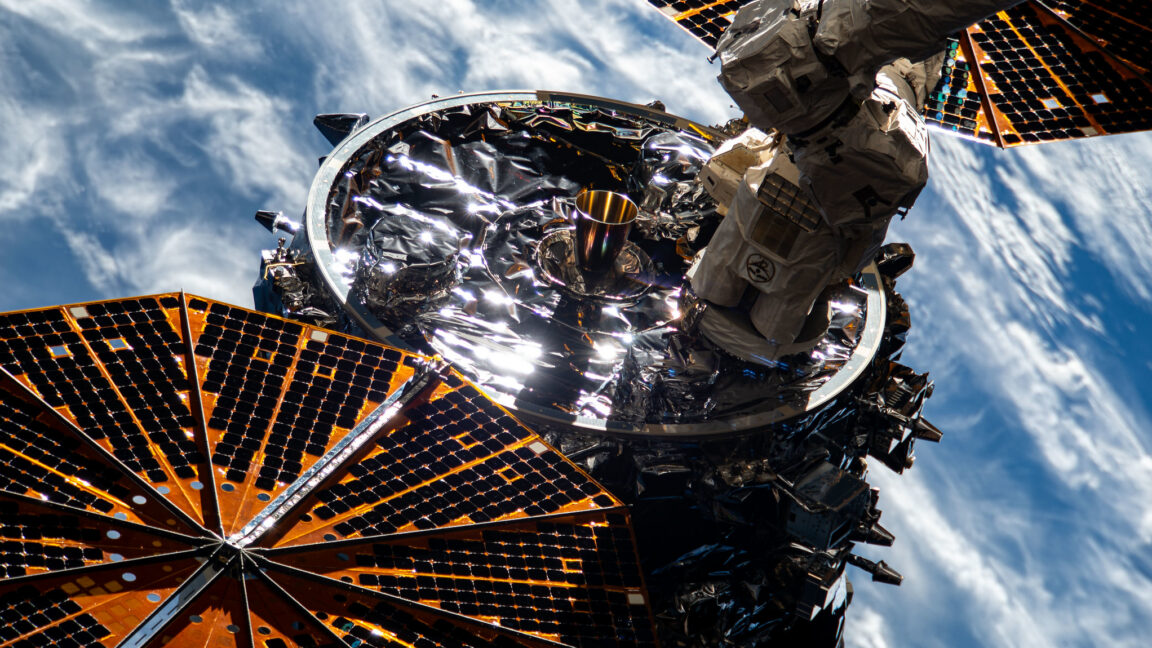
Launched Sunday aboard a SpaceX Falcon 9 rocket from Cape Canaveral, the Cygnus XL was slated to deliver a crucial shipment, including fresh food, equipment for numerous scientific experiments, and essential spare parts for the ISS, such as its waste processing systems. This mission holds significant importance, as it follows damage to a previous Cygnus spacecraft, leading to this mission carrying an increased workload.
Unlike SpaceX's autonomous Dragon spacecraft, the Cygnus relies on the ISS's Canadian-built robotic arm for docking. NASA astronaut Jonny Kim was prepared to use this arm to capture the Cygnus and secure it to the Unity module for a planned six-month stay. The unplanned engine failure jeopardizes this process and raises concerns about the fate of the vital supplies onboard.
The Cygnus XL represents a larger and more capable iteration of the spacecraft, boasting 33 percent increased cargo capacity compared to previous models. This mission, designated NG-23, was to carry the heaviest payload ever delivered to the ISS by a commercial cargo vessel, underscoring the severity of this setback.
The main engine utilizes a hypergolic propellant system (hydrazine and nitrogen tetroxide), known for its reliability. The spacecraft does possess smaller reaction control thrusters, but it remains uncertain whether these could sufficiently maneuver the Cygnus into position for docking without the main engine. One major concern is the lack of return capability for the Cygnus; it's designed for a destructive re-entry after being filled with waste from the ISS. Therefore, failure to reach the station results in the complete loss of the cargo.
NASA engineers are currently evaluating potential solutions and alternative approaches to get the supplies to the station, though a revised arrival timeline has yet to be announced. The incident highlights the inherent risks and challenges involved in space transportation and the vital role of reliable spacecraft systems in maintaining the functionality of the ISS.
---
Originally published at: https://arstechnica.com/space/2025/09/a-record-supply-load-wont-reach-the-international-space-station-as-scheduled/


