
A new Ebola outbreak has been declared in Kasai Province, Democratic Republic of Congo (DRC), fueled by the highly lethal Zaire Ebola virus. The outbreak began in August 2024 with the hospitalization and subsequent death of a 34-year-old pregnant woman. Tragically, two healthcare workers who treated her also succumbed to the virus. As of September 15th, the confirmed case count reached 81, with 28 fatalities, including four healthcare professionals.
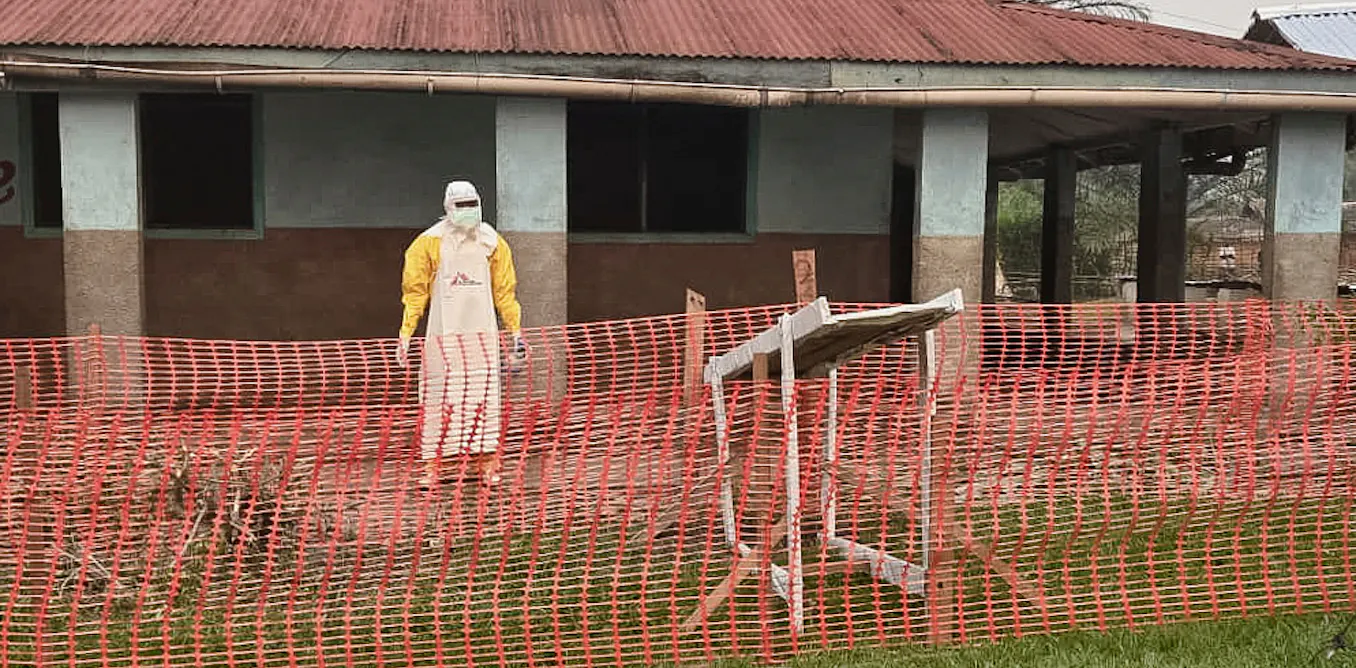
This outbreak, genetically distinct from previous DRC epidemics, is believed to have originated through zoonotic transmission – the spillover of the virus from an animal to a human. Fruit bats are known natural reservoirs of the Ebola virus, with humans contracting the disease through contact with infected animals such as bats, chimpanzees, antelope, or porcupines. The virus primarily spreads via direct contact with infected bodily fluids.
Symptoms of Ebola can manifest within two to 21 days and include fever, fatigue, muscle pain, headaches, and sore throat. These initial symptoms can rapidly progress to vomiting, diarrhea, abdominal pain, rash, bleeding, and shock. Without prompt treatment, the fatality rate can range from 50% to 90%, significantly influenced by the quality of healthcare access.
The swift spread within families, healthcare facilities, and during traditional funeral practices presents a significant challenge. The DRC's current battle against Ebola is compounded by simultaneous outbreaks of mpox, cholera, and measles, straining resources and healthcare capacity. Ongoing armed conflict further complicates matters, disrupting transportation and access to affected communities.
Despite the remoteness of Kasai Province, the proximity to the major city of Tshikapa and the border with Angola poses a risk of wider spread. The Ervebo vaccine (rVSV-ZEBOV) offers a crucial defense. Clinical trials demonstrated 100% effectiveness when administered immediately after exposure and 95% effectiveness within 12 days. Real-world effectiveness during the last DRC outbreak was recorded at 84%. The World Health Organization (WHO) is actively supporting vaccination efforts, initiating 'ring vaccination' of contacts and frontline workers.
Beyond vaccination, controlling the outbreak hinges on swift isolation of suspected cases, comprehensive contact tracing, and quarantine measures. Adequate hospital capacity is paramount, mirroring the success of field hospitals deployed during the 2014 West African epidemic. Modifying traditional funeral practices to prevent transmission is also crucial. Early supportive care, including rehydration, electrolyte replacement, and monoclonal antibody therapies, plays a vital role in improving survival rates.
Challenges remain, particularly in delivering vaccines to remote areas, conducting effective contact tracing in insecure settings, and ensuring consistent access to protective gear for healthcare workers. Innovative open-source intelligence tools, like EPIWATCH, leverage news, social media, and online reports to detect unusual disease activity, providing crucial early warning signals that complement laboratory testing.
While the risk of a widespread global pandemic is currently assessed as low by the WHO, the risk to the DRC remains high, and the regional risk is moderate, underscoring the urgency of a robust and coordinated response.
---
Originally published at: https://theconversation.com/theres-a-new-outbreak-of-ebola-in-africa-heres-what-you-need-to-know-264896


