
A groundbreaking Unicef report reveals a stark reality: for the first time in history, more children worldwide are obese than underweight. This alarming trend, driven by the readily available and inexpensive ultra-processed food (UPF) industry, underscores a global health crisis demanding immediate attention. The report highlights that 188 million children and teenagers – a staggering one in ten – are currently classified as obese. This alarming statistic carries significant implications for their health, development, and future well-being, increasing their risk of life-threatening diseases like heart disease, type 2 diabetes, and certain cancers.
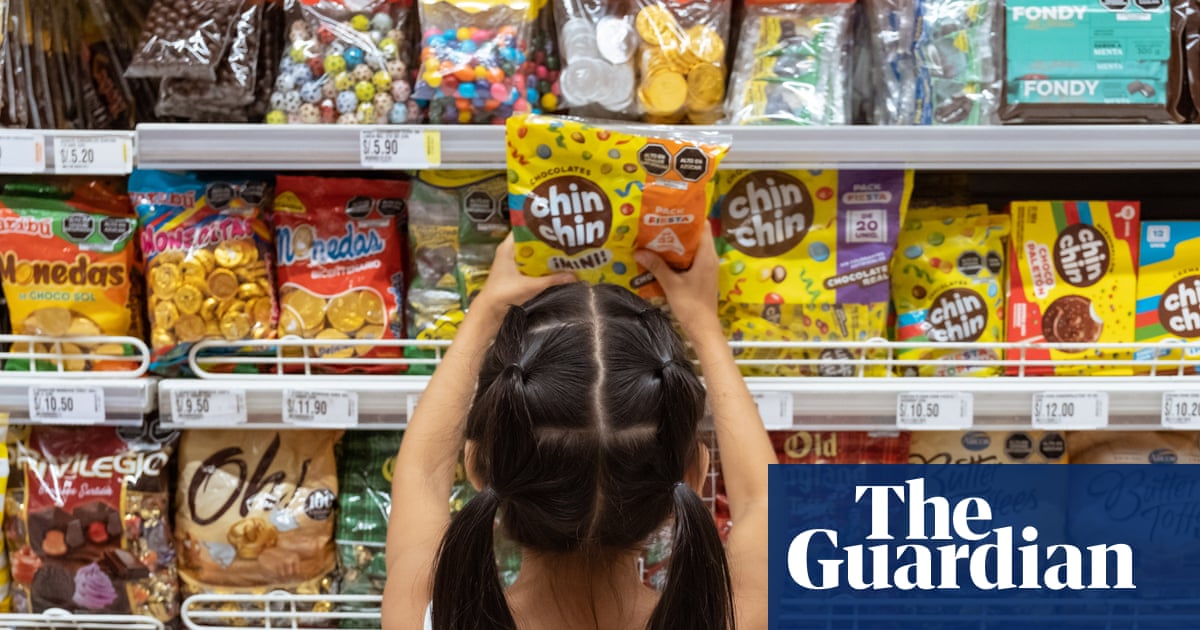
Catherine Russell, Unicef's Executive Director, emphasizes the shift in the understanding of malnutrition. "When we talk about malnutrition," she states, "we are no longer just talking about underweight children. Obesity is a growing, and equally concerning, aspect of this issue." The report indicates that while 9.2% of children aged 5-19 are underweight, a slightly higher percentage (9.4%) are obese. This stark contrast to the year 2000, when underweight children comprised nearly 13% and obese children only 3%, demonstrates the rapid acceleration of this problem.
The report, titled "Feeding Profit: How Food Environments are Failing Children," draws upon data from over 190 countries, collaborating with organizations such as the World Health Organization and the World Bank. The findings reveal that one in five children and teenagers are overweight, with a significant proportion (42% in 2022, up from 30% in 2000) falling into the obese category. This alarming trend is widespread, impacting both high-income countries (with examples such as Chile, the US, and the UAE exhibiting high rates of childhood obesity) and low- and middle-income countries, where the number of overweight children has more than doubled since 2000.
The report directly links the rise in obesity to the readily available and affordable nature of UPFs, which often displace healthier options like fruits, vegetables, and proteins. These highly processed foods, including cereals, biscuits, cakes, fizzy drinks, and ready meals, are often heavily marketed towards children and families, creating an environment where healthy choices are not always easy. Nomathemba Chandiwana, Chief Scientific Officer at the Desmond Tutu Health Foundation, aptly points out the "double burden" many children face: experiencing both undernutrition and obesity concurrently, highlighting the urgent need for a comprehensive approach.
The economic impact of this growing crisis is equally significant. Unicef estimates that by 2035, the global annual cost of overweight and obesity will exceed $4 trillion. The report concludes with a call to action, urging governments to implement policies such as stricter labeling, marketing restrictions, taxes on UPFs, and subsidies for healthier foods. Furthermore, a ban on junk food marketing in schools and initiatives supporting vulnerable families in affording nutritious diets are vital steps toward tackling this complex issue. The report also emphasizes the need for strong safeguards to prevent interference from the ultra-processed food industry in public policy decisions, ensuring that children's health is prioritized above corporate interests.
---
Originally published at: https://www.theguardian.com/global-development/2025/sep/10/junk-food-upf-more-children-obese-than-underweight-unicef


