
India's ambitious goal to eliminate tuberculosis (TB) by the end of 2025 is facing significant hurdles. While the government has made strides in reducing TB cases and deaths, the reality on the ground reveals a complex interplay of biological factors, socioeconomic disparities, and systemic healthcare deficiencies. This leaves the 2025 target dangerously out of reach.
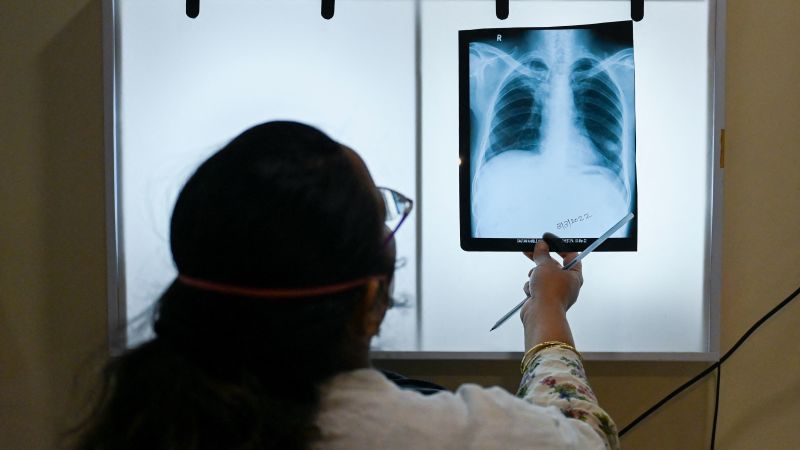
The burden of TB in India is staggering. The country accounts for a quarter of the global TB cases, with an average of two deaths every three minutes, according to the World Health Organization (WHO). In Mumbai's Govandi slum, the disease's prevalence paints a stark picture of the crisis, infiltrating nearly every other household. Mehboob Sheikh, a Govandi resident, shares a heartbreaking tale of his TB diagnosis, the loss of his livelihood, and the struggle to provide for his family amidst his illness. His experience underscores the devastating socioeconomic impact of the disease.
The challenges are multifaceted. The Mycobacterium tuberculosis bacteria, responsible for TB, can lie dormant for years and develop drug resistance, complicating treatment. Poverty and overcrowded living conditions, particularly in slums, create ideal breeding grounds for transmission. Furthermore, inadequate access to consistent medical care exacerbates the problem.
India's healthcare system, burdened by underinvestment, staff shortages, and outdated infrastructure, plays a significant role in the ongoing crisis. A heavy reliance on outdated sputum microscopy for diagnosis misses active cases, while the more accurate molecular tests remain underutilized. This delay in accurate diagnosis leads to the spread of drug-resistant strains and countless untreated infections.
Sufiya Syed's case exemplifies the consequences of late diagnosis. Her TB diagnosis came only after more than a year of suffering, highlighting the critical need for improved early detection strategies. The pervasive fear of social stigma also hinders timely diagnoses and treatment, as many people hide their condition, further fueling the spread of the disease.
Despite these setbacks, some progress has been made. India has reduced TB cases by 17.7% since 2015, exceeding the global average. The government's initiatives such as providing free testing and medication through public health facilities are commendable. The deployment of innovative technologies, such as AI-powered X-ray machines, offers hope for faster and more efficient screening, especially in underserved areas. These portable machines, which are significantly cheaper than traditional X-ray machines, can be used to screen entire communities, leading to earlier detection and referral for proper diagnosis.
However, significant challenges remain. A parliamentary report highlights persistent issues like staff shortages, inadequate mapping of high-risk areas, and poor health-seeking behavior. The COVID-19 pandemic further complicated matters, disrupting screenings, medicine supplies, and diverting healthcare workers. Despite increased domestic budgets and the introduction of new technologies, the question remains whether India can overcome these obstacles and achieve its ambitious 2025 elimination goal. The story of Mehboob Sheikh serves as a powerful reminder of the urgent need for more comprehensive and effective intervention to combat this devastating disease.
---
Originally published at: https://edition.cnn.com/2025/09/20/india/india-tb-target-health-care-challenges-intl-hnk-dst


