
Astronomers have detected an unprecedented cosmic event: a repeating gamma-ray burst (GRB) designated GRB 250702B, unlike anything observed in the 50-year history of GRB research. Initially detected by NASA's Fermi Gamma-ray Space Telescope on July 2, 2025, this GRB defied expectations by emitting multiple powerful bursts of gamma rays over a period of approximately one day. This is significantly longer than typical GRBs, which usually last mere seconds or minutes.
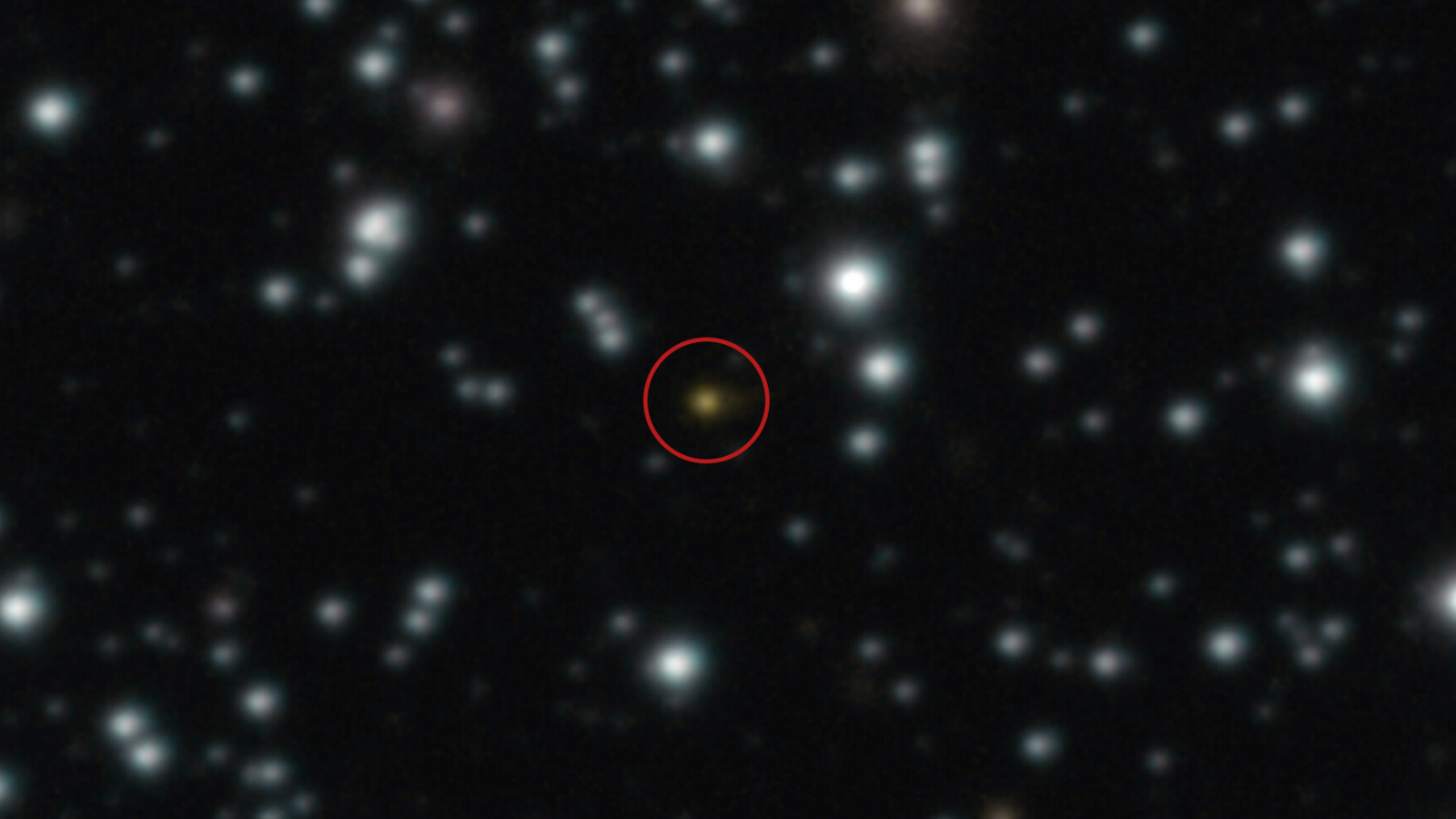
The unusual duration isn't the only perplexing feature. GRBs are typically associated with catastrophic stellar events, such as the collapse of massive stars into black holes or neutron stars, or the tidal disruption of a star by a black hole. These events are considered one-off occurrences; therefore, the repetition observed in GRB 250702B challenges current understanding. Lead researcher Antonio Martin-Carrillo of University College Dublin emphasizes the extraordinary nature of this discovery, stating it's "unlike any other seen in 50 years of GRB observations."
Initial observations placed GRB 250702B's origin within the Milky Way galaxy. However, further investigation using the Very Large Telescope (VLT) in Chile, equipped with its HAWK-I infrared camera, and subsequently confirmed by the Hubble Space Telescope, revealed the burst originated from an extragalactic source, billions of light-years away. This extragalactic origin significantly increases the energy output of the event, deepening the mystery surrounding its nature.
The data reveal a complex sequence of events. Fermi initially observed three distinct bursts within a few hours on July 2nd. Subsequent analysis of data from the Einstein Probe X-ray space telescope revealed a previous eruption from the same source a full day earlier. This long duration and repetitive nature are unparalleled in existing GRB data.
Andrew Levan of Radboud University, co-leader of the research team, highlighted the conundrum: "More importantly, gamma-ray bursts never repeat since the event that produces them is catastrophic." The team explores two primary hypotheses: a massive star undergoing an unprecedented collapse or a star's tidal disruption event. However, neither scenario completely explains all the observed characteristics of GRB 250702B, which presents a unique set of challenges for astrophysicists.
The research team continues to monitor the event using the VLT and the James Webb Space Telescope, aiming to unravel the secrets behind this extraordinary cosmic spectacle. The findings, published August 29th in The Astrophysical Journal Letters, represent a significant step forward in understanding these enigmatic bursts, marking a new chapter in our understanding of the most energetic events in the universe. The enduring question remains: what is the mechanism behind this extraordinary, repeating gamma-ray burst?
---
Originally published at: https://www.space.com/astronomy/astronomers-discover-repeating-gamma-ray-burst-unlike-anything-we-have-ever-witnessed-before-video


