
NASA is targeting February 2026 for the launch of its Artemis II mission, a pivotal step in the agency's ambitious lunar exploration program. Initially slated for April, the launch window could open as early as February 5th, marking a significant milestone in human spaceflight. This mission will send four astronauts – Victor Glover, Christina Hammock Koch, Reid Wiseman (all American), and Jeremy Hansen (Canadian) – on a journey around the Moon, the first crewed lunar flyby in over five decades.
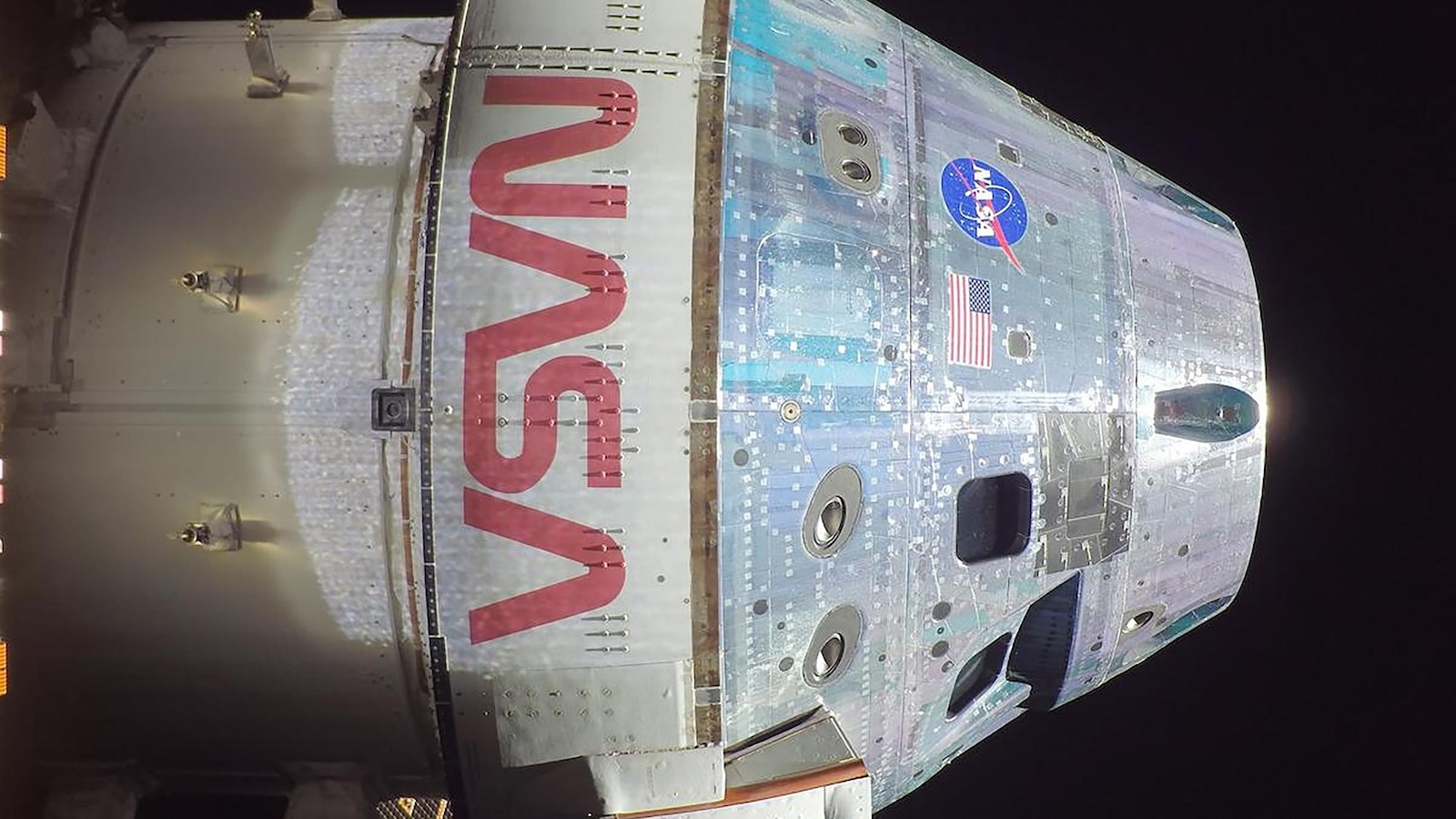
This mission holds historical significance: Glover will become the first person of color, and Koch the first woman, to orbit the Moon. The Artemis II mission builds upon the success of Artemis I, a crucial uncrewed test flight completed in December 2022. Artemis I successfully demonstrated key systems, paving the way for crewed missions, but also highlighted areas requiring further refinement, such as battery performance and environmental control system components. Analysis of the heat shield's char layer loss during Artemis I is also ongoing.
Artemis II serves as a 10-day test flight, focusing on validating critical life support systems, display technologies, and software before the more ambitious Artemis III. Artemis III aims for a lunar landing, a feat not achieved since Apollo 17 in December 1972. This mission is crucial for testing the Space Launch System (SLS) and the Orion spacecraft under crewed flight conditions. The SLS is reportedly 'stacked and ready to go,' with the Orion capsule undergoing final preparations at the Kennedy Space Center. NASA's Artemis program envisions establishing a long-term presence on the Moon, fueling scientific discovery, driving economic growth, and laying the groundwork for future human exploration of Mars. The February 2026 launch represents a giant leap toward realizing this vision.
---
Originally published at: https://abcnews.go.com/Technology/nasa-launch-historic-artemis-ii-mission-moon-early/story?id=125895412


