
NASA's James Webb Space Telescope is providing unprecedented insights into the potential habitability of TRAPPIST-1e, an Earth-sized exoplanet orbiting a red dwarf star 40 light-years away. Initial observations, recently published in two scientific papers, suggest the possibility of water on this intriguing world. Located within the TRAPPIST-1 system, discovered in 2017, TRAPPIST-1e occupies a unique position within its star's habitable zone, where surface water could theoretically exist.
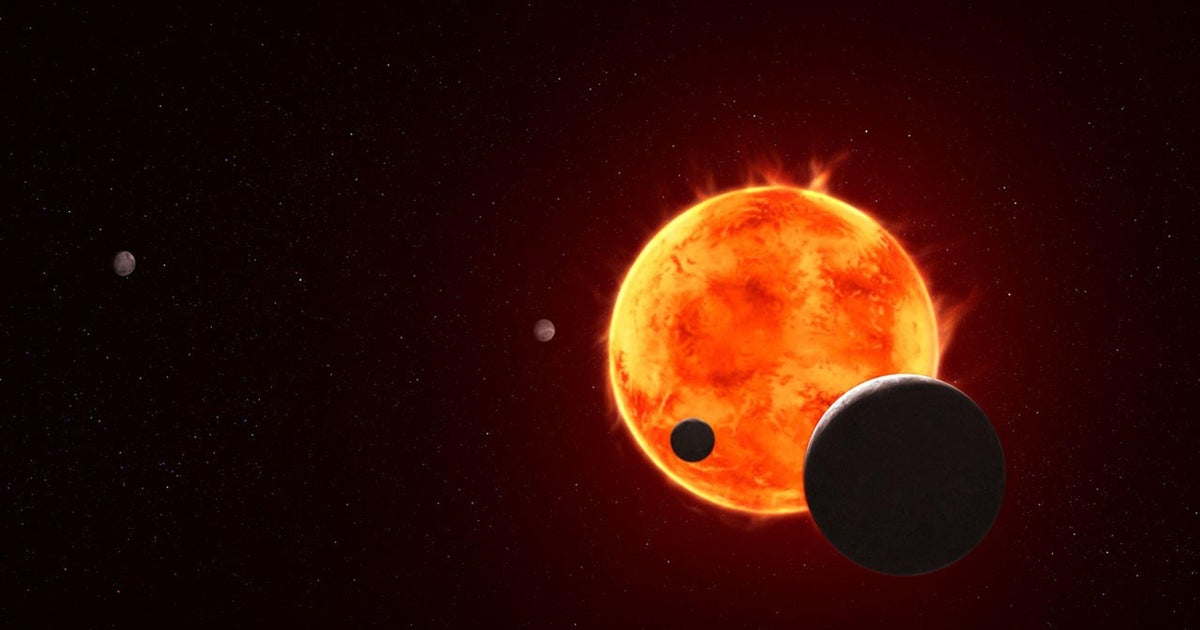
To investigate the presence of an atmosphere – a crucial factor for liquid water – scientists utilized Webb's Near-Infrared Spectrograph (NIRSpec). As TRAPPIST-1e transited, or passed in front of, its star, the telescope analyzed the starlight filtering through the planet's potential atmosphere. Any atmospheric components would absorb specific wavelengths of light, creating tell-tale dips in the light spectrum recorded by NIRSpec. These spectral signatures would reveal not only the existence of an atmosphere but also its chemical composition.
Comparative analysis with TRAPPIST-1b, another exoplanet in the system confirmed to lack an atmosphere, provides a valuable benchmark. This comparison enhances the accuracy of atmospheric characterization for TRAPPIST-1e. While researchers believe TRAPPIST-1e likely lacks a primary hydrogen-helium atmosphere—possibly stripped away by the star's frequent flares—the possibility of a secondary, heavier atmosphere remains. Many planets, including our own, develop secondary atmospheres over time.
The potential presence of water on TRAPPIST-1e presents a spectrum of possibilities, ranging from a complete absence of water to the presence of oceans or extensive ice sheets. The planet's tidally locked nature, with one side perpetually facing its star, adds another layer of complexity to the potential distribution of water. The presence of liquid water could also induce a greenhouse effect, crucial for maintaining a stable, potentially habitable temperature.
Scientists like Néstor Espinoza from the Space Telescope Science Institute and Ana Glidden from MIT's Kavli Institute for Astrophysics and Space Research, lead researchers on this project, express enthusiasm for the wealth of data Webb is providing. This research marks a new era of exoplanet exploration, bringing us closer to understanding the potential for life beyond our solar system. Further observations and analysis using Webb’s powerful instruments promise even more detailed insights into the atmospheric composition and potential habitability of TRAPPIST-1e in the near future.
---
Originally published at: https://www.cbsnews.com/news/nasa-webb-telescope-trappist-1-exoplanet/


