
Nepal witnessed a seismic shift in its political landscape when a youth-led protest, fueled by decades of corruption and disillusionment, brought down the government within 48 hours. While the swift victory is a testament to the power of Gen Z activism, it came at a devastating cost. The unrest, resulting in the deaths of 72 individuals, marked the deadliest civil upheaval in Nepal in decades. The scale of destruction is staggering, with widespread damage to government buildings, political leaders' residences, and even luxury hotels. The financial toll, estimated at nearly half the country's GDP, is equally alarming.
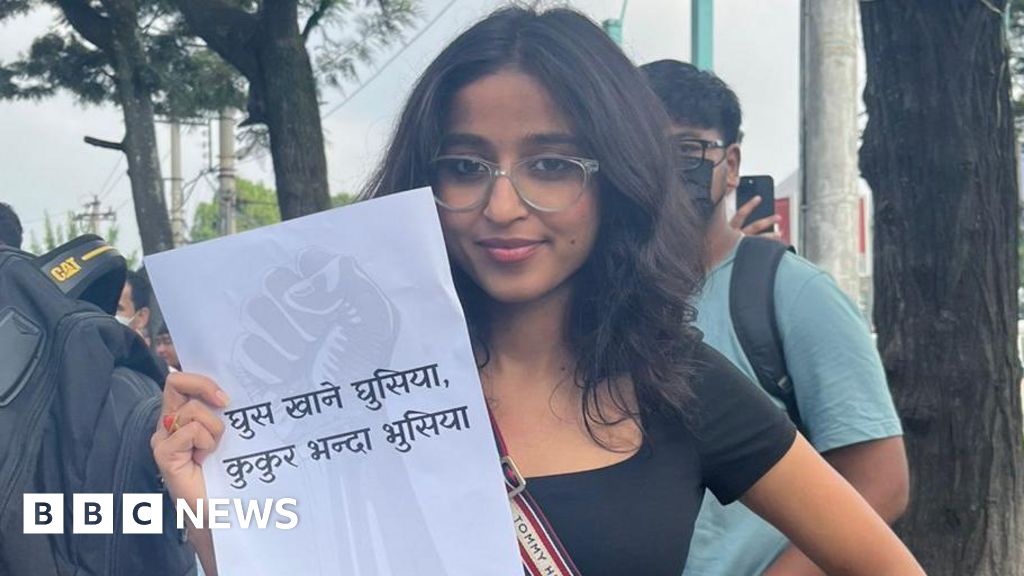
The protests, largely leaderless and organically fueled by social media, were a visceral rejection of Nepal's political elite. Years of perceived corruption and blatant displays of wealth by the children of powerful politicians – the so-called "nepo babies" – had ignited a simmering anger among young Nepalis. Viral images of lavish lifestyles juxtaposed against the harsh realities of struggling youth, many of whom are forced to seek employment abroad, served as powerful catalysts for the demonstrations.
Tanuja Pandey, a 24-year-old environmental activist, played a pivotal role in galvanizing the protests. Her video exposing alleged misuse of national resources by politically connected companies resonated deeply with her generation. The government's attempt to suppress dissent by banning social media platforms only intensified the flames of discontent. The protests initially began peacefully, but escalated rapidly, culminating in the torching of government buildings and the ensuing chaos.
The violence, however, raises critical questions. While many protesters express satisfaction at seeing the consequences of corruption, concerns remain about the infiltration of violent elements and the use of live ammunition by security forces. The destruction of symbolic institutions, including the Supreme Court, leaves a lingering sense of unease.
The aftermath of the protests reveals a nation grappling with its future. The appointment of an interim prime minister offers a glimmer of hope, but the involvement of controversial figures in the initial negotiations, and the perceived glorification of the army's role in restoring order, raises questions about the path forward. The families of those who lost their lives in the protests are left to mourn, their grief a stark reminder of the human cost of political upheaval. While Nepal's Gen Z has successfully shaken the foundations of its political system, the long road to lasting change and stability remains fraught with challenges.
---
Originally published at: https://www.bbc.com/news/articles/cvg9n760gddo