
A groundbreaking discovery has been made aboard the Chinese Tiangong space station: a previously undocumented bacterium, an organism entirely new to Earth's scientific record. This finding, reminiscent of speculative fiction, prompts profound inquiries into the nature of life in extraterrestrial environments and the potential microbiological hazards inherent in orbital habitation.
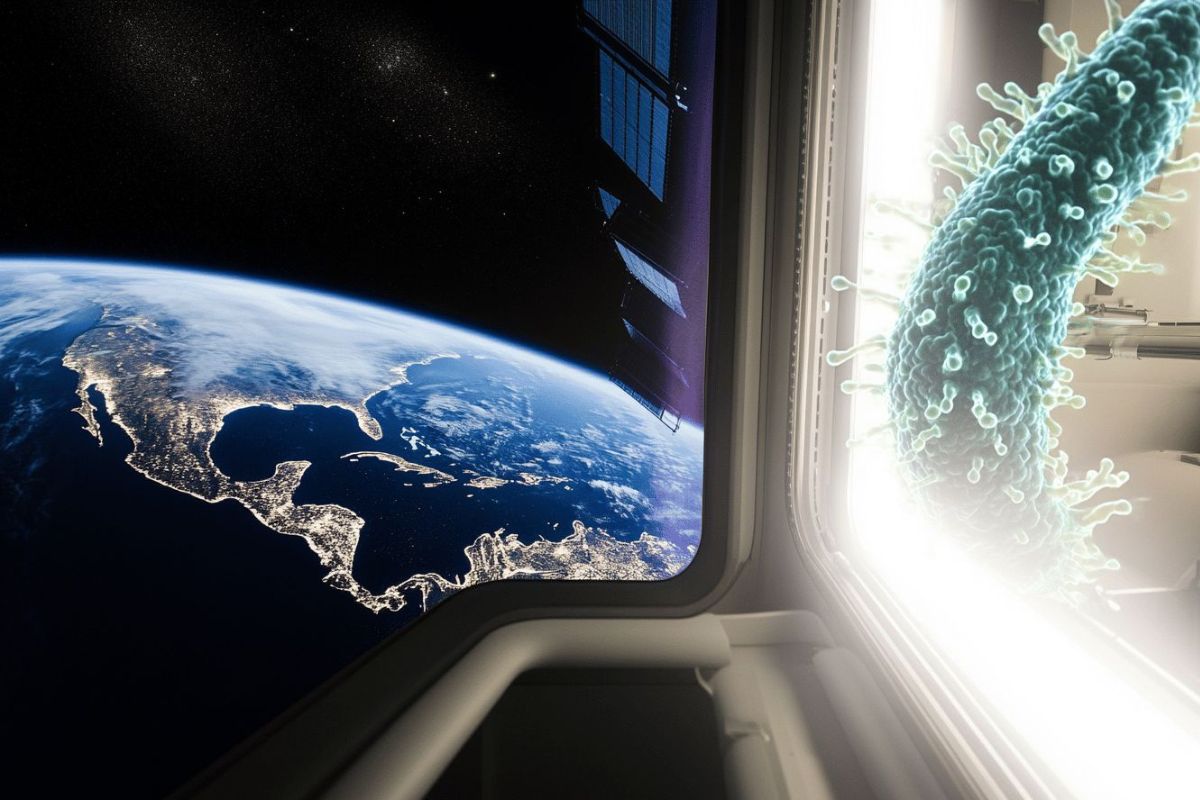
In May 2023, during a routine operational period for the Shenzhou-15 crew, biological samples collected from a living module within the Tiangong station unveiled the presence of this novel bacterial species. Designated *Niallia tiangongensis*, a tribute to its cosmic birthplace, the microorganism has captivated researchers due to its distinctive traits and remarkable ability to flourish in the harsh conditions of space.
Research conducted as part of the China Space Station Habitation Area Microbiome Program (CHAMP) highlights significant disparities between the microbial communities found on Tiangong and those of the International Space Station (ISS). Scientists observed a prevalence of human-associated microorganisms on Tiangong, alongside considerable functional and genetic variations. These genetic adaptations are likely a direct consequence of the extreme conditions prevalent in space, including microgravity, heightened radiation exposure, enclosed environments, and stringent sanitation protocols.
*Niallia tiangongensis* shares a lineage with *Niallia circulans*, a resilient soil-dwelling bacterium once classified under the pathogenic *Bacillus* genus. Like its terrestrial relatives, it possesses the capacity to form robust spores, serving as protective dormancy capsules against environmental stressors. What truly distinguishes this newly identified species, however, is its unparalleled proficiency in metabolizing gelatin to extract vital nitrogen and carbon. This unique metabolic skill is crucial for constructing a protective biofilm, aiding its survival in the hostile cosmic milieu.
Interestingly, *Niallia tiangongensis* appears to have relinquished the ability to utilize alternative energy sources, a compelling demonstration of the astonishing adaptability of living organisms when confronted with novel environments. Such rapid evolutionary shifts underscore space's role as an unparalleled natural laboratory for observing microbial evolution in real-time.
While the immediate health risks *Niallia tiangongensis* poses to astronauts remain unclear, its genetic parallels to bacteria known to cause severe infections in individuals with compromised immune systems warrant careful consideration. Researchers are particularly vigilant given the observed accumulation of mutations and increasing antibiotic resistance within the station's microbial population, which could complicate the management of any potential contamination.
Experts emphasize the critical need to comprehend how these microscopic organisms establish themselves, evolve, and interact with both human inhabitants and onboard equipment. The dangers extend beyond astronaut health; uncontrolled microbial proliferation could lead to damage to sensitive instrumentation, potentially jeopardizing mission critical operations.
The discovery on Tiangong is not an isolated incident. Prior investigations conducted in NASA's sterile clean rooms, specifically those preparing for the Phoenix mission to Mars, previously uncovered numerous unclassified bacterial species. These microbes demonstrated an unexpected capacity to endure conditions once believed to be completely sterile, their remarkable resilience attributed to genes specialized in DNA repair and detoxification processes.
With the horizon of manned missions extending towards the Moon, Mars, and beyond, mastering the space microbiome emerges as an increasingly vital challenge. The objective has expanded beyond merely preventing contamination; it now encompasses forecasting how these organisms will adapt and evolve within sealed, extreme environments.
The identification of this unknown bacterium within the Tiangong station marks a significant chapter in the ongoing scientific exploration of life in space. It serves as a potent reminder that, despite all technological advancements and stringent precautions, humanity is never truly solitary on its interstellar voyages. These unseen microorganisms could, in fact, play an instrumental role in determining the ultimate success or failure of humanity's grand future space endeavors.
---
Originally published at: https://evidencenetwork.ca/an-unknown-bacteria-on-earth-has-developed-in-the-chinese-space-station-astronauts-are-facing-a-situation-straight-out-of-a-science-fiction-movie/


