
Earth's reliance on aging satellites to monitor space weather is about to get a crucial upgrade. On September 23rd, NOAA launched the Space Weather Follow-On L1 (SWFO-L1) satellite, a dedicated sun-watcher designed to protect our planet from potentially devastating solar storms. For decades, we've relied on aging spacecraft like NASA's Advanced Composition Explorer (ACE), launched in 1997, and NOAA's Deep Space Climate Observatory (DSCOVR), launched in 2015. These satellites, positioned at the Lagrange Point 1 (L1), a million miles from Earth, provide crucial early warnings of potentially disruptive solar events.
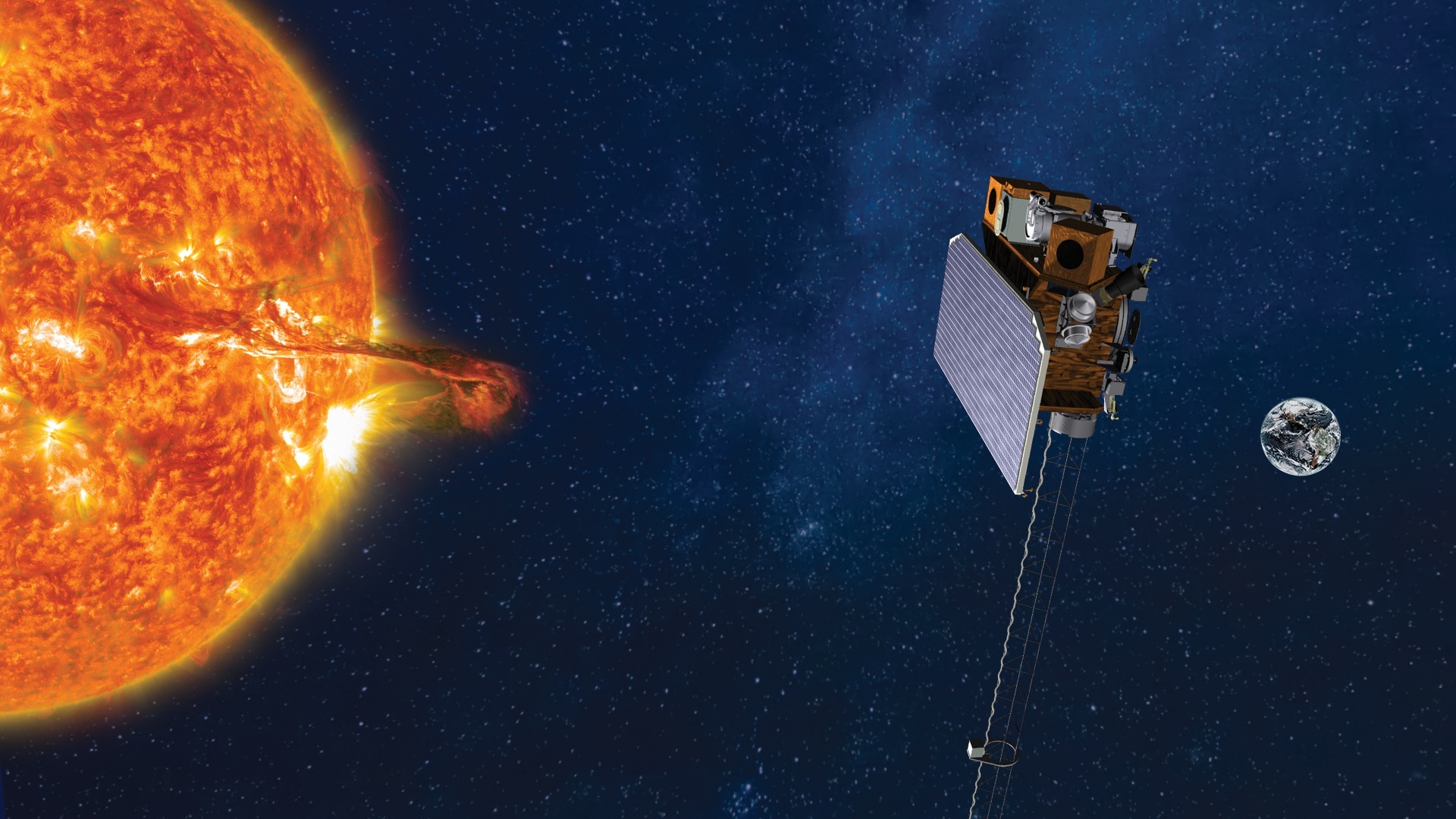
These warnings are vital. Solar storms, particularly coronal mass ejections (CMEs), can unleash charged particles that disrupt GPS signals, threaten astronauts, damage satellites, and even knock out power grids. The current satellites are operating well beyond their designed lifespans, with DSCOVR currently offline following a software anomaly. This leaves us heavily reliant on the near-30-year-old ACE satellite, a precarious situation experts describe as "hanging on by a thread."
SWFO-L1 is designed to address this vulnerability. Positioned at L1, it will continuously monitor the solar wind, magnetic fields, and high-energy particles emanating from the sun. This real-time data will be fed directly to NOAA's Space Weather Prediction Center, enabling forecasters to issue timely alerts and warnings, giving critical infrastructure operators valuable time to prepare for potentially damaging space weather events. While missions like NASA's Parker Solar Probe focus on scientific discovery, SWFO-L1 prioritizes operational reliability, ensuring continuous monitoring for the safety and security of our technological infrastructure.
The launch of SWFO-L1 represents a significant step toward enhancing our space weather preparedness. It's not just about a new satellite; it's about building a more resilient future, protecting essential technologies and ensuring the safety and continued operation of systems we depend on daily, from GPS navigation and communication satellites to the reliable flow of electricity. For those who enjoy the beauty of the aurora borealis, it ensures the sun's dazzling displays will continue to be safely observable for years to come.
---
Originally published at: https://www.space.com/space-exploration/satellites/we-must-replace-this-capability-now-new-noaa-satellite-to-replace-aging-space-weather-sentinels-launches-sept-23


