
The United Kingdom is poised to formally recognize a Palestinian state, a decision announced by Prime Minister Sir Keir Starmer and set to significantly alter British foreign policy. This move, expected to be officially declared on Sunday, follows months of escalating tensions in the Israel-Palestine conflict and intense pressure on the UK government to take a stronger stance.
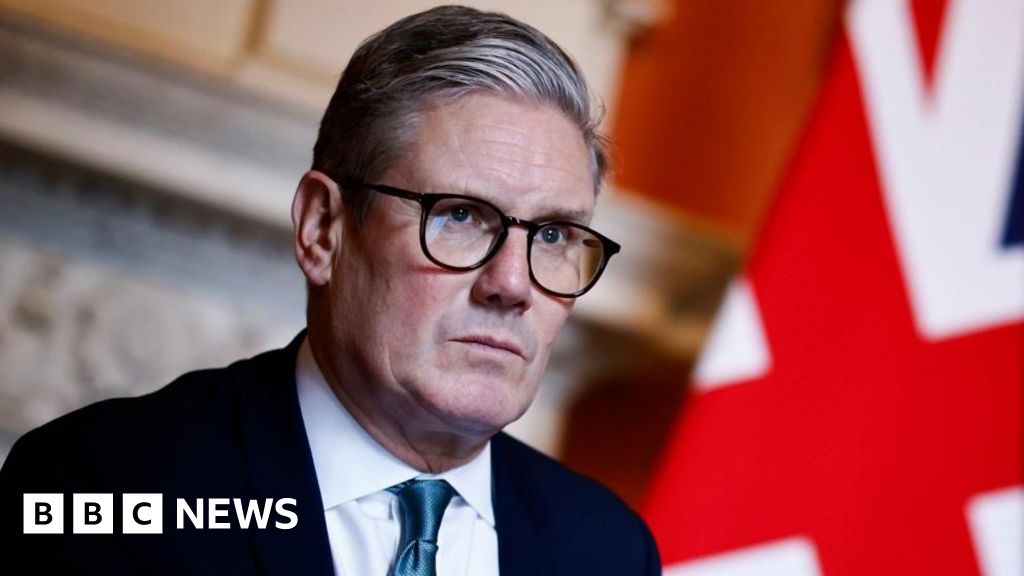
The announcement comes after a July statement by the Prime Minister outlining conditions for recognition, including a ceasefire in Gaza, commitment to a two-state solution, and a sustainable peace deal. However, the decision has sparked fierce backlash from various quarters, notably the Israeli government and families of hostages held by Hamas. Israeli Prime Minister Benjamin Netanyahu has condemned the move, characterizing it as a reward for terrorism.
Despite the criticism, UK ministers maintain that recognizing a Palestinian state is a moral imperative, crucial for preserving the hope of a long-term peace agreement. They cite the deteriorating humanitarian situation in Gaza, evidenced by widespread starvation and violence, as well as the continued expansion of Israeli settlements in the West Bank – actions deemed illegal under international law – as key factors influencing this decision. The controversial E1 settlement project, threatening the viability of a contiguous Palestinian state, has further fueled the UK’s decision.
The timing of the announcement, however, has drawn considerable controversy. Families of hostages taken during the recent Hamas attacks on Israel have publicly urged the Prime Minister to delay the recognition, arguing it complicates hostage negotiations and could embolden Hamas. This sentiment has been echoed by Conservative leader Kemi Badenoch and US President Donald Trump, both of whom expressed their disagreement with the UK's move at this juncture.
While the UK insists its demands for Hamas' release of hostages and commitment to a ceasefire remain unchanged, the Foreign Office maintains that the Palestinian people's right to statehood shouldn't be contingent upon Hamas' actions. This stance has been further reiterated by Sir Keir Starmer, who emphasized that Hamas can have no role in any future Palestinian government. The recognition, though largely symbolic given the absence of internationally agreed boundaries, capital, and army for a Palestinian state, holds significant weight given the Labour Party's long-standing support for Palestinian statehood and mounting internal pressure on the Prime Minister to adopt a firmer stance toward Israel.
The recognition reflects a global trend, with several other countries including Portugal, France, Canada, and Australia signaling their intent to grant Palestine statehood. This announcement by the UK, while highly contentious, underscores the profound complexity and ongoing challenges within the Israel-Palestine conflict and its global implications.
---
Originally published at: https://www.bbc.com/news/articles/ce800enrglzo