
The Antarctic continent, often perceived as a remote and untouched wilderness, is undergoing dramatic transformations at an unprecedented pace, scientists are warning. Researchers gathered at the Royal Society in London this week underscored a stark message: rapid and extreme changes in Antarctica are pushing the region towards critical tipping points, with potentially catastrophic consequences for global climate patterns, sea levels, and fragile ecosystems worldwide.
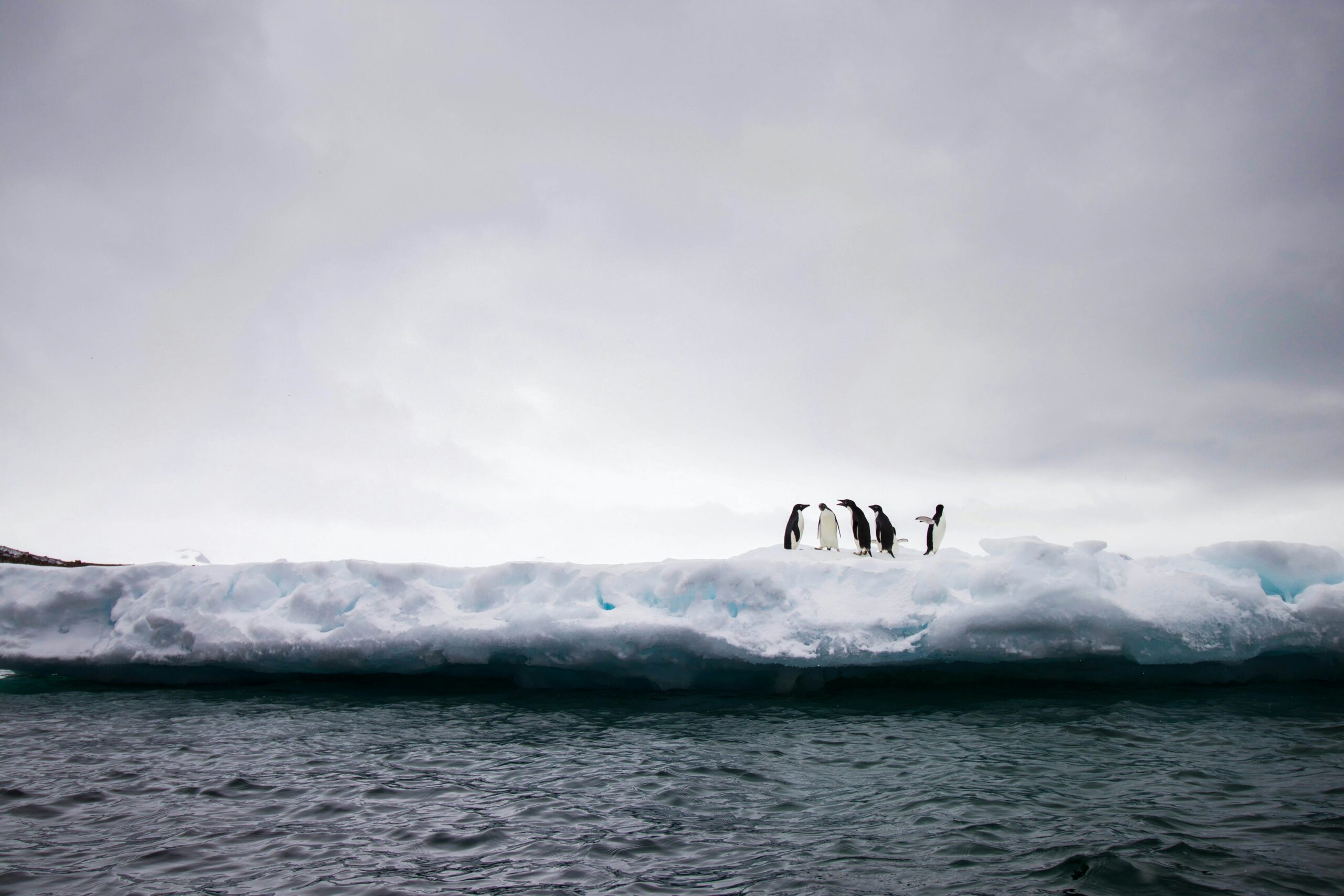
Experts highlight that the risks associated with these swift polar shifts are no longer distant theoretical possibilities. Instead, severe environmental events are intensifying in frequency and magnitude, increasing the likelihood of crossing irreversible thresholds. Professor Michael Meredith, an oceanographer with the British Antarctic Survey and part of the UK National Climate Science Partnership, emphasized the urgency: "Antarctica is changing faster than we ever imagined. These changes are already impacting communities and ecosystems globally. Decisive action to reduce greenhouse gas emissions and enhance resilience is crucial to avert dangerous outcomes."
The two-day conference in London commenced with a powerful opening statement from Professor Dame Jane Francis, Director of the British Antarctic Survey, who reminded attendees that "What happens in Antarctica affects us all." This includes escalating extreme weather events, widespread ecosystem degradation, and a significant rise in global sea levels.
A key factor in these changes is the Southern Ocean, which encircles Antarctica. It absorbs a disproportionate amount of the excess heat generated by global greenhouse gas emissions. This absorption is directly contributing to more powerful storms, heatwaves, and intensified rainfall across the globe, impacting lives far beyond the polar regions.
Furthermore, vital marine species are facing dire threats. Krill, fundamental to the Antarctic food web, alongside deep-sea coral and sponge habitats, are at risk. These ecosystems are crucial for supporting global fisheries, preserving biodiversity, and playing a role in regulating the planet's carbon balance.
Scientists have also issued a grave warning regarding the stability of Antarctic ice sheets. Should these vast ice bodies surpass critical thresholds, projections suggest global sea levels could surge by over ten meters in future centuries. Such a rise would devastate coastal cities, communities, and infrastructure worldwide, including in the UK. Historical data reinforces this concern, indicating that changes originating in Antarctica can propagate rapidly, sometimes within decades, with potentially devastating global ramifications.
The Royal Society meeting, titled ‘Global impacts of climate extremes in the polar regions: is Antarctica reaching a tipping point?’, aims to forge stronger connections between Antarctic scientific research and international policy. The goal is to better equip governments to prepare for impending risks, safeguard future generations, and help societies adapt to a rapidly evolving world.
Kate Hendry, another oceanographer from the British Antarctic Survey team, stressed the need for improved predictive capabilities. "We urgently need to understand these unprecedented extreme events in Antarctica if we’re going to make robust predictions of future change," she stated, noting that current computer models do not adequately incorporate the processes behind these extreme events and potential tipping points, thus limiting forecasting accuracy.
In a related development, ancient ice cores recently arrived at the British Antarctic Survey in Cambridge for meticulous analysis. Extracted from depths of up to 2,800 meters at Little Dome C in East Antarctica, these cores are expected to unlock a continuous climate and atmospheric record spanning more than 1.5 million years. Over the coming years, laboratories across Europe, including the British Antarctic Survey, will thoroughly analyze these samples to unveil secrets about Earth’s climate evolution and historical greenhouse gas concentrations.
Dr. Liz Thomas, head of the ice cores team at the British Antarctic Survey, highlighted the significance of this endeavor: "Our data will yield the first continuous reconstructions of key environmental indicators – including atmospheric temperatures, wind patterns, sea ice extent, and marine productivity – spanning the past 1.5 million years." She concluded that this unparalleled ice core dataset will offer invaluable insights into the relationship between atmospheric CO2 levels and climate during a previously unstudied period, providing crucial context for predicting future climate change.
---
Originally published at: https://oceanographicmagazine.com/news/rapid-change-happening-in-antarctica-is-stark-warning-to-the-world/


