
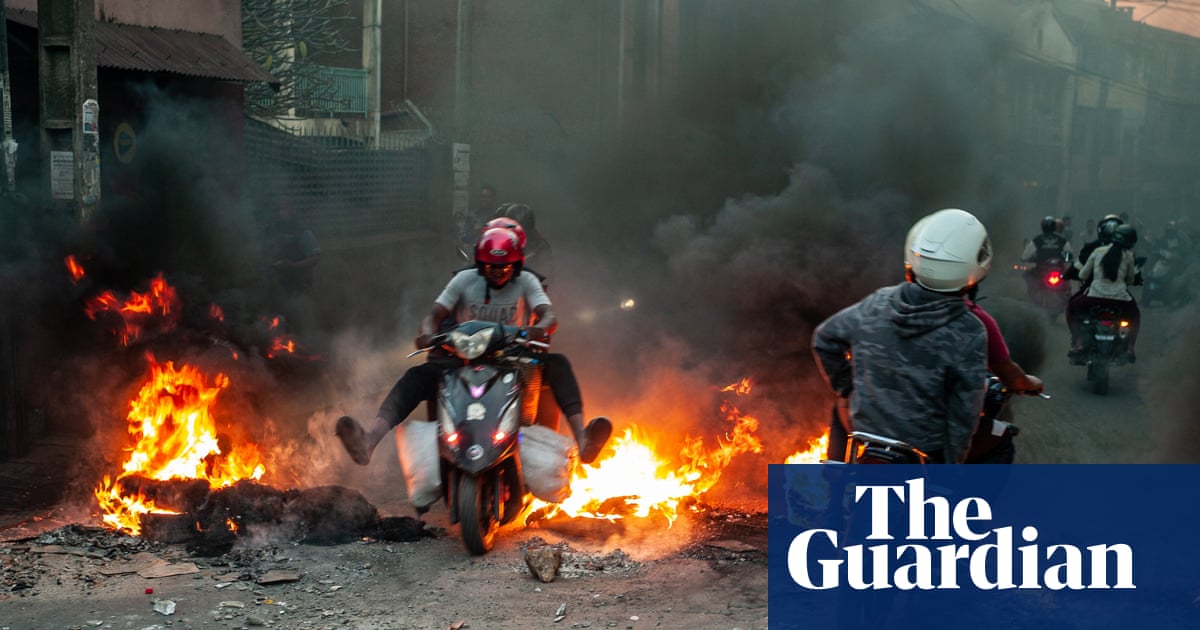
President Andry Rajoelina of Madagascar has dissolved his government following a wave of youth-led demonstrations that have swept across the Indian Ocean island nation. These protests, fueled by public anger over persistent water and electricity shortages, have tragically resulted in at least 22 fatalities and over 100 injuries, according to a United Nations report. Drawing inspiration from similar 'Gen Z' movements seen in Kenya and Nepal, these three days of unrest represent the most significant challenge to Rajoelina's leadership since his re-election in 2023.
Addressing the nation via state broadcaster Televiziona Malagasy, President Rajoelina publicly acknowledged and expressed regret for any governmental shortcomings. "We acknowledge and apologise if members of the government have not carried out the tasks assigned to them," he stated. He further empathized with the public's distress, saying, "I understand the anger, the sadness, and the difficulties caused by power cuts and water supply problems. I heard the call, I felt the suffering, I understood the impact on daily life."
In the wake of the dissolution, President Rajoelina announced a three-day window for applications for a new prime minister, signaling the imminent formation of a new cabinet. He also emphasized a commitment to fostering dialogue with the younger generation and pledged support measures for businesses that suffered losses due to looting during the unrest.
Thousands of citizens, many clad in black and chanting calls for Rajoelina's resignation, have marched through the capital, Antananarivo, since the protests commenced last week. Security forces have responded forcefully, employing teargas and rubber bullets to disperse crowds, leading to over 100 reported injuries. The UN human rights office has attributed some of the fatalities to the security forces' "violent response," while noting that other deaths stemmed from violence and looting perpetrated by groups not affiliated with the peaceful protesters.
Conversely, Madagascar's Ministry of Foreign Affairs disputed the casualty figures released by the UN, asserting that the data lacked validation from competent national authorities and was based on "rumours or misinformation."
Footage from the 2424.MG news channel showed protesters gathering at a university on Monday, waving placards and singing the national anthem before attempting to march towards the city center. Following the imposition of a dusk-to-dawn curfew last week, police again resorted to firing teargas to disperse the demonstration.
Protesters in Madagascar have adopted symbolic elements, including a flag similar to one used in Nepal, where protests earlier this month led to the prime minister's resignation. They have also mirrored the online organizational strategies employed in Kenyan protests last year, which successfully pressured that government to withdraw proposed tax legislation.
Rajoelina's political career began with a 2009 coup. After stepping down in 2014, he returned to power in the 2018 election and secured a contentious third term in December 2023, an election his opponents claimed was marred by irregularities. As one of the world's poorest nations, Madagascar has a history of frequent popular uprisings since gaining independence in 1960, including the 2009 mass protests that ousted former president Marc Ravalomanana.
---
Originally published at: https://www.theguardian.com/world/2025/sep/29/madagascars-president-dissolves-government-amid-youth-led-protests


