
A significant 2023 study, examining approximately 500,000 medical records, has brought renewed attention to the potential connection between severe viral infections, such as encephalitis and pneumonia, and an elevated risk of developing neurodegenerative conditions like Parkinson's and Alzheimer's disease. Through this extensive analysis of nearly 450,000 individuals, the researchers identified 22 distinct correlations between various viral infections and the subsequent onset of neurodegenerative disorders.
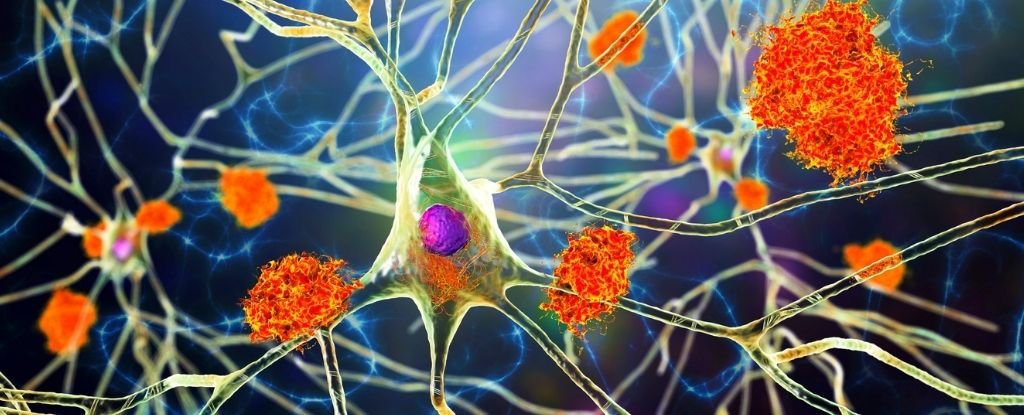
Notably, individuals who had received treatment for viral encephalitis, a form of brain inflammation, showed a striking 31-fold increased likelihood of developing Alzheimer's disease. To put this into perspective, approximately 6 percent of those diagnosed with viral encephalitis later developed Alzheimer's. Furthermore, hospitalization due to pneumonia following an influenza infection appeared to heighten susceptibility to a range of conditions including Alzheimer's disease, various forms of dementia, Parkinson's disease, and amyotrophic lateral sclerosis (ALS).
The study also implicated viral-borne intestinal infections, meningitis, and the varicella-zoster virus (responsible for shingles) in the emergence of multiple neurodegenerative ailments. The detrimental effects of these viral infections on brain health were observed to endure for as long as 15 years in certain cases, with no evidence suggesting any protective benefits from viral exposure.
Approximately 80 percent of the viruses identified as contributors to brain diseases were classified as 'neurotrophic,' meaning they possess the capability to penetrate the blood-brain barrier.
"Remarkably, several of these implicated viruses, such as influenza, shingles (varicella-zoster), and pneumonia, already have readily available vaccines," the researchers noted in their 2023 publication. They further posited that while vaccines don't offer absolute immunity, they are proven to significantly decrease hospitalization rates. This, in turn, implies that widespread vaccination could potentially lessen the risk of developing neurodegenerative conditions.
This current research builds upon prior findings, including a monumental 2022 study involving over 10 million participants, which established a 32-fold increased risk of multiple sclerosis linked to the Epstein-Barr virus.
Senior author Michael Nalls, a neurogeneticist at the US National Institute on Aging, commented that the scale of previous research made it evident that for years, scientists had been individually investigating connections between single neurodegenerative disorders and specific viruses. "This realization prompted us to adopt a novel, data science-driven methodology," Nalls explained. "Leveraging comprehensive medical records allowed us to systematically uncover a multitude of potential viral links simultaneously."
The study initiated by analyzing the medical histories of approximately 35,000 Finnish individuals afflicted with six distinct forms of neurodegenerative diseases, comparing them against a control group of 310,000 people without such conditions. This initial phase revealed 45 potential associations between viral exposure and neurodegenerative disorders, a number subsequently refined to 22 significant links after a secondary examination of 100,000 medical records from the UK Biobank.
It's important to note that while this retrospective observational study cannot definitively prove a direct causal relationship, its findings significantly bolster the growing body of research that suggests a pivotal role for viruses in the development of Parkinson's and Alzheimer's disease.
Co-author Andrew Singleton, a neurogeneticist, Alzheimer's researcher, and director of the Center for Alzheimer's and Related Dementias, emphasized, "Neurodegenerative disorders represent a group of conditions with limited effective treatments and numerous contributing risk factors." "Our findings lend credence to the theory that viral infections and the ensuing inflammation within the nervous system could be prevalent—and potentially preventable—risk factors for these debilitating disorders," Singleton concluded.
The comprehensive results of this research were published in the journal Neuron.
---
Originally published at: https://www.sciencealert.com/a-study-of-500000-medical-records-linked-viruses-with-alzheimers-again-and-again


