
Acclaimed screenwriter and director Charlie Kaufman, known for his mind-bending films like *Being John Malkovich* and *Eternal Sunshine of the Spotless Mind*, is currently grappling with the frustrating realities of Hollywood. In a recent interview, he revealed the difficulties he faces securing funding for his projects, despite his critical acclaim. His latest endeavor, *Later the War*, was even halted mid-production in Belgrade, leaving him in a state of creative limbo.
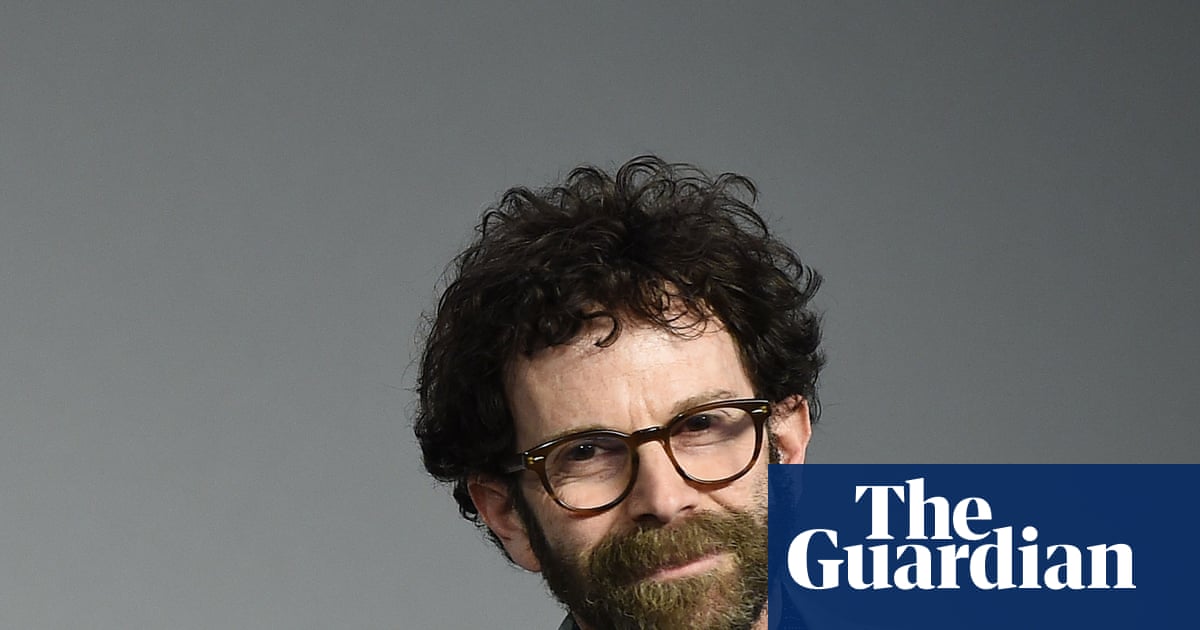
The conversation shifted to his latest work, *How to Shoot a Ghost*, a lyrical short film presented at the Venice Film Festival. This poignant piece, written by poet Eva H.D. and starring Jessie Buckley, explores the afterlife with a unique and strangely consoling perspective. Kaufman reflects on the film's hopeful undertones, acknowledging his own anxieties and the challenges they present to fully embracing life's beauty.
The discussion inevitably circled back to Kaufman's breakthrough success, *Eternal Sunshine of the Spotless Mind*. He recounted the arduous journey of pitching the idea with director Michel Gondry, enduring excruciating tooth pain throughout the process. Despite initial enthusiasm from studios, Kaufman reveals the film remains in the red, highlighting the complexities of 'Hollywood accounting'. He also discussed the anxieties surrounding the film's release, acknowledging the coincidental similarities to other memory-loss themed projects, like *Memento* and *Paycheck*, that caused concern.
Kaufman contemplates the impact of *Eternal Sunshine*'s success, suggesting that its initial triumph may have inadvertently skewed his expectations of the film industry. He points to the subsequent global financial crisis and the lackluster performance of his ambitious film, *Synecdoche, New York*, as significant setbacks in securing future funding. While he expresses pride in his work, the financial realities remain a formidable barrier to his creative endeavors.
The conversation then took a stark turn, addressing the current state of the world and the role of Hollywood within it. Kaufman doesn't mince words, asserting that Hollywood is intricately tied to the world's problems, fueled by a formulaic approach to filmmaking prioritizing profit over artistic merit. He firmly believes in his responsibility to avoid contributing to this 'garbage' and refuses to compromise his artistic integrity.
Kaufman's concerns extend to the burgeoning threat of artificial intelligence. He views AI's inability to replicate the human experience – the nuances of loss, joy, love, and mortality – as a fundamental limitation to its creative potential. He emphasizes the importance of genuine human connection and warns against the dangers of a society increasingly disconnected from the emotional depth of shared experiences.
In conclusion, Kaufman's candid reflection reveals a deeply thoughtful artist wrestling with both the practical challenges of the film industry and his profound concerns about the future of humanity. His commitment to authenticity and artistic integrity remains unwavering, even in the face of immense obstacles.
---
Originally published at: https://www.theguardian.com/film/2025/sep/12/hollywood-has-everthing-to-do-with-the-terrible-state-of-the-world-charlie-kaufman-on-artificial-intelligence-eternal-sunshine-and-toothache


