
Octopuses, masters of marine manipulation, utilize eight incredibly flexible arms for a dazzling array of tasks, from foraging to constructing dens. A groundbreaking new study published in Scientific Reports offers the most comprehensive analysis yet of octopus arm usage, revealing fascinating insights into their motor control and task specialization. Researchers meticulously analyzed 25 one-minute video clips of 25 wild octopuses across three species, filmed in diverse habitats ranging from Spain to the Cayman Islands. This rich dataset allowed for the detailed classification of 15 distinct octopus behaviors and 12 arm actions, revealing a surprising level of limb specialization.
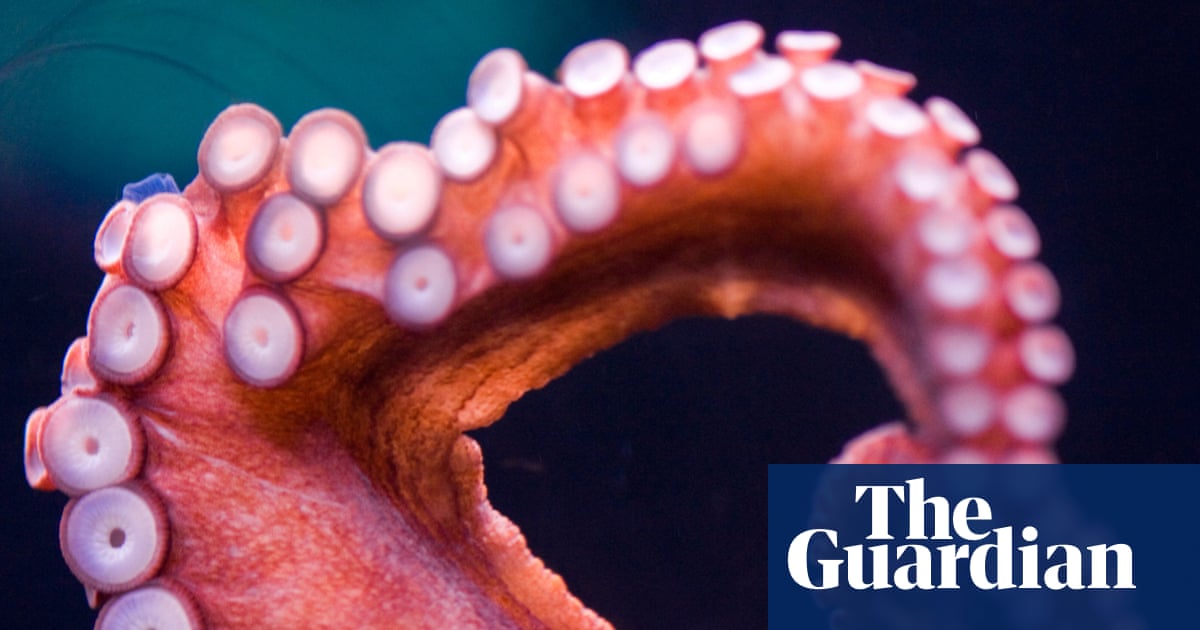
While all eight arms possess the capability to perform all actions – shortening, elongating, bending, and twisting – the study demonstrates a clear preference for using specific limbs for certain tasks. Consistent with primates, rodents, and fish, octopuses exhibit a bias towards using their front arms (61%) over their rear arms (39%) for the majority of actions. This preference was especially pronounced for actions such as reaching, raising, lowering, and curling.
However, the octopuses' adaptability shines through in their locomotion strategies. For actions like the 'stilt' – where the octopus supports its body upright on its arms – and the 'roll,' where an arm moves like a conveyor belt, the rear arms were favored. This suggests a sophisticated understanding of body mechanics and an efficient allocation of limb resources to optimize movement.
The research team found that multiple arm actions could occur simultaneously on the same or adjacent arms, highlighting the remarkable coordination and multitasking capabilities of these intelligent invertebrates. This flexibility has significant implications beyond marine biology. The study's findings on adaptable arm movements could inform the design of soft robotic appendages, providing valuable insights for engineers and researchers working on advanced prosthetic limbs and flexible robotic systems. The study’s comprehensive approach offers an unprecedented understanding of octopus motor control, opening new avenues for research in ethology, sensory ecology, and neuroscience.
---
Originally published at: https://www.theguardian.com/environment/2025/sep/11/octopuses-prefer-to-use-different-arms-for-different-tasks-scientists-find


