
Researchers at the University of Zurich have achieved a significant breakthrough in stroke treatment, demonstrating the ability of stem cell transplantation to reverse stroke-induced damage and restore motor function. This groundbreaking research, published in [insert journal name here], offers a beacon of hope for the millions affected by this debilitating condition.
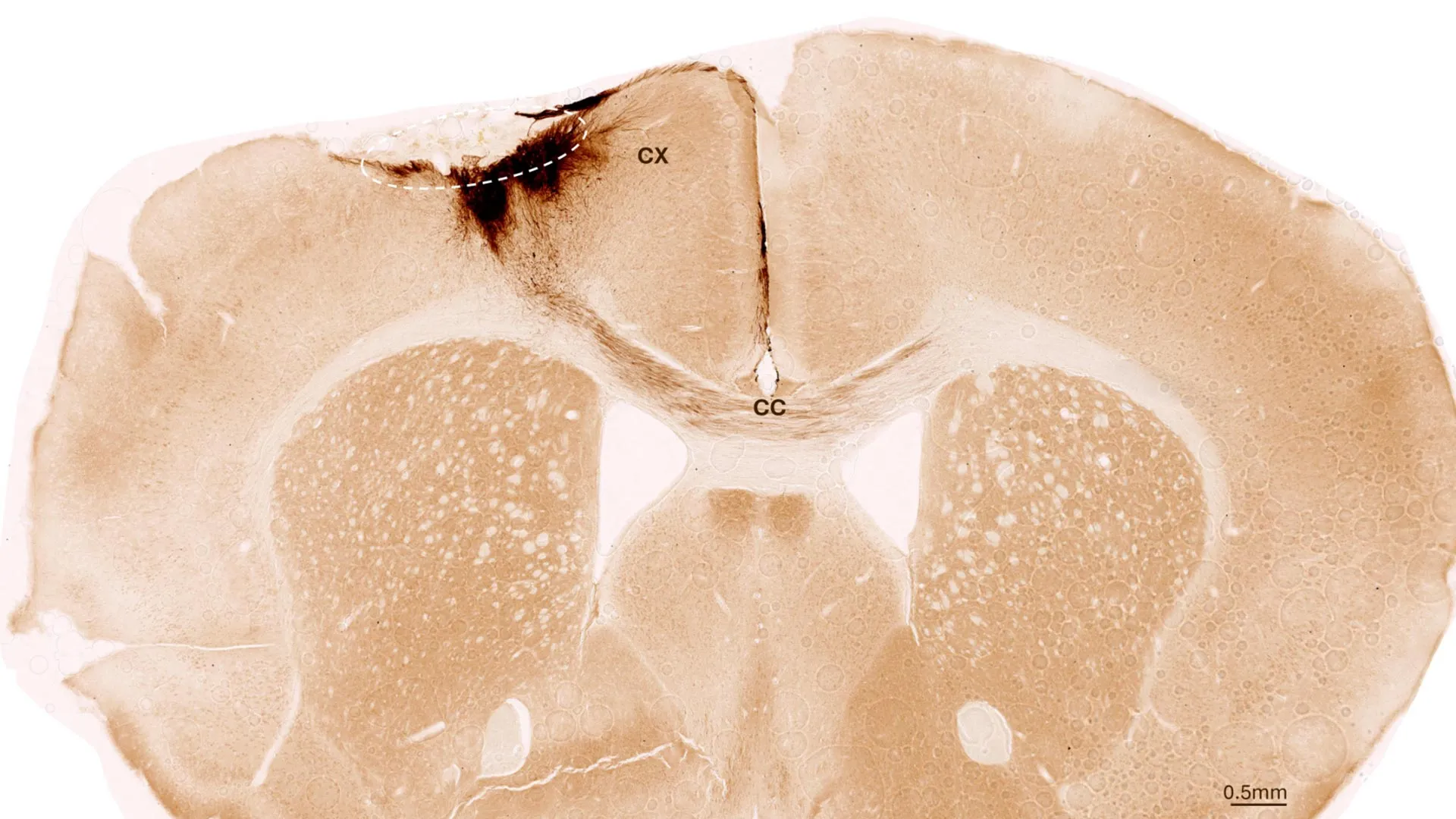
Stroke, a leading cause of long-term disability, occurs when blood supply to the brain is interrupted, leading to irreversible brain cell death and often resulting in paralysis or speech impairment. Current treatments focus on managing symptoms, but until now, there has been no effective method to repair the damaged brain tissue. This study changes that.
The research team, led by Christian Tackenberg and Rebecca Weber, utilized human neural stem cells derived from induced pluripotent stem cells – essentially, cells reprogrammed from ordinary adult cells. These cells were transplanted into mice with induced strokes, genetically modified to prevent rejection. Remarkably, the transplanted stem cells not only survived but differentiated into neurons, integrating with existing brain cells and forming functional connections.
The study's findings extend beyond simple neuron replacement. The researchers observed a range of regenerative processes, including the formation of new blood vessels, a reduction in inflammation, and improved blood-brain barrier integrity. These combined effects led to a significant reversal of motor impairments in the affected mice, confirmed through AI-assisted gait analysis. Crucially, the most effective transplantation occurred one week post-stroke, suggesting a therapeutic window that simplifies treatment protocols.
The research team also addressed the critical need for clinical translation. The stem cells were produced without animal-derived reagents, following a protocol developed in collaboration with the CiRA at Kyoto University, eliminating a significant hurdle for human application. Furthermore, ongoing work focuses on developing a safety mechanism to prevent uncontrolled stem cell growth and exploring endovascular delivery methods as a less invasive alternative to brain surgery.
While acknowledging that further research is necessary to minimize risks and optimize the procedure for human use, the results represent a significant leap towards a potential stem cell-based therapy for stroke. With clinical trials already underway in Japan for Parkinson's disease using a similar approach, the prospect of a comparable treatment for stroke is increasingly realistic, offering hope for a future where stroke victims can experience a more complete recovery.
---
Originally published at: https://www.sciencedaily.com/releases/2025/09/250916221821.htm


