
The intricate development of mammalian digits, from the nimble fingers of primates to the powerful hooves of horses, has long captivated scientists. While the genes involved in digit formation have been identified, the evolutionary pathway remained shrouded in mystery. A groundbreaking study published in Nature unveils a surprising revelation: the genetic machinery responsible for forming our digits may have initially evolved to build the cloaca—the shared excretory and reproductive organ found in fish and other vertebrates.
Previous research suggested a correlation between the genes controlling digit formation in mammals and the development of fin rays in fish. This led to the hypothesis that digit development stemmed from a pre-existing genetic system for fin ray formation. However, new research, conducted by a US-French team, challenges this assumption.
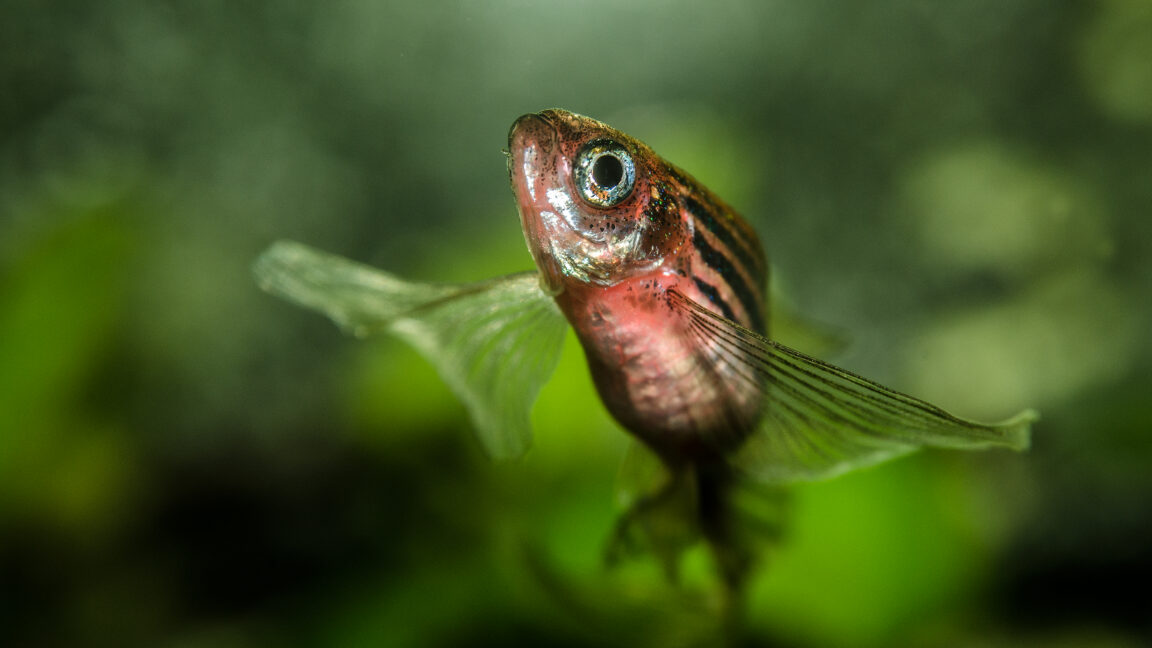
The researchers focused on homeobox (Hox) genes, master regulators of body plan development. In mammals, specific Hox genes within clusters are crucial for digit formation. Surprisingly, when the researchers deleted sections of regulatory DNA upstream of the Hox gene clusters in zebrafish (a common model organism), they expected to disrupt digit-related Hox gene activity. This did not happen, indicating that these genes were being activated through a different mechanism in fish than mammals.
Instead, the team discovered that the regulatory DNA they deleted was vital for the development of the zebrafish cloaca. This pointed to a fascinating evolutionary shift: the Hox genes initially involved in cloaca development were repurposed for digit formation in the lineage leading to mammals. This is supported by the observation that deleting certain Hox genes in zebrafish resulted in severe defects in their excretory and reproductive systems. Similar regions and corresponding Hox genes were also identified in mice and gar fish (a more closely related species to limbed vertebrates).
This discovery dramatically alters our understanding of digit evolution. It suggests that the genetic program for digit formation did not originate as a standalone system but was instead 'borrowed' and adapted from a pre-existing program responsible for cloaca development. The seemingly simple explanation that a single genetic system controls both fin rays and digits is now challenged by this more nuanced understanding. The evolution of digits, therefore, represents a remarkable example of evolutionary innovation, where an existing genetic program was repurposed for a completely new function. Further research, especially involving more challenging species like lungfish and coelacanths, is needed to fully illuminate this surprising evolutionary pathway.
---
Originally published at: https://arstechnica.com/science/2025/09/distinct-digits-may-have-evolved-by-using-dna-that-makes-the-cloaca/


